

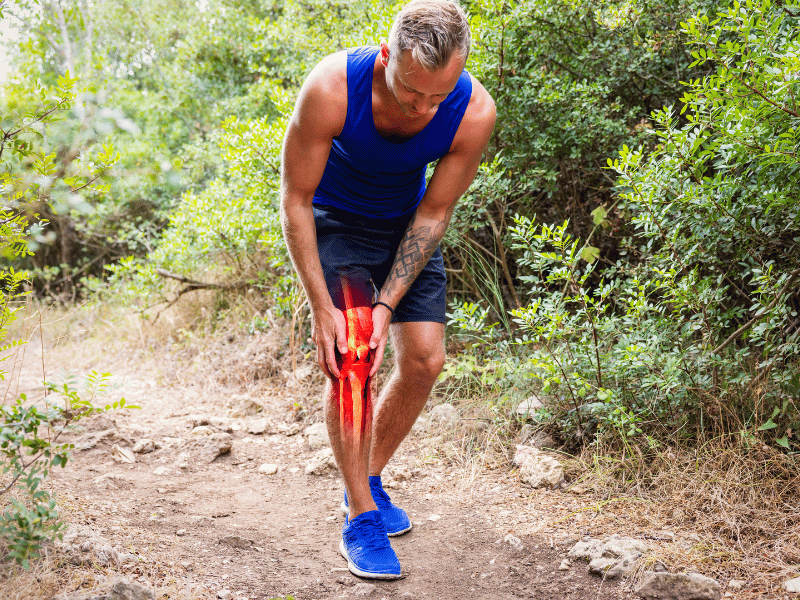
What Is This Condition?
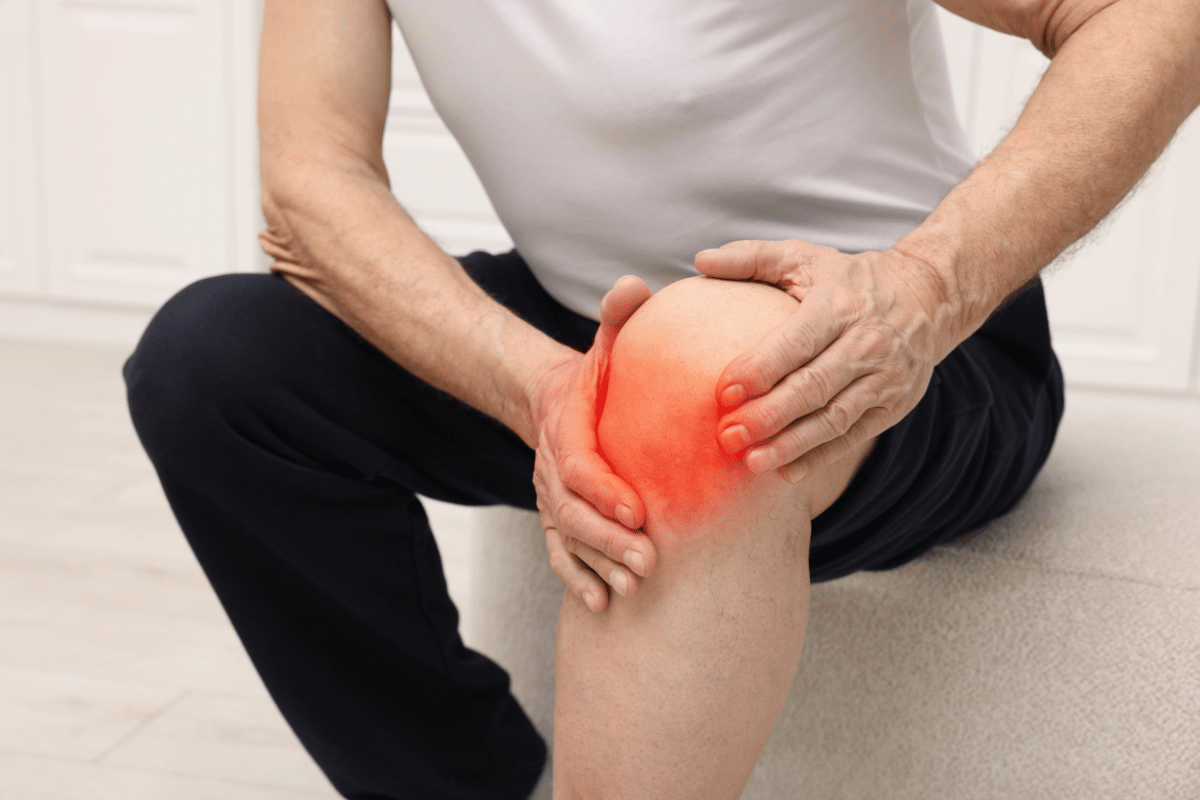
Knee pain can make simple activities such as walking, climbing stairs, sitting, or standing uncomfortable. It may develop gradually due to age-related changes and overuse, or suddenly following an injury. Common causes include osteoarthritis, ligament or meniscus injuries, tendon problems, inflammation, and other joint conditions. At Healio RegenX, we focus on identifying the underlying cause of your knee pain and developing a personalized treatment plan based on your symptoms, activity level, and condition. Our approach may include conservative care, physiotherapy, medications when appropriate, injections, regenerative treatment options where clinically suitable, or surgical referral when necessary.
Symptoms & Common Causes
Knee pain can affect people differently depending on its underlying cause. Some people experience discomfort only during physical activity, while others may have persistent pain even while resting. Common symptoms of knee problems include:
- Knee pain while walking or standing
- Pain while climbing or descending stairs
- Swelling around the knee
- Stiffness, particularly after sitting or resting
- Difficulty bending or straightening the knee
- Knee weakness or instability
- Clicking, popping, or grinding sensations
- Pain after exercise or prolonged activity
- Difficulty squatting or sitting on the floor
Common causes of knee pain include:
- Osteoarthritis: Wear and degeneration of the cartilage in the knee can lead to pain, stiffness, and reduced mobility.
- Meniscus injuries: A meniscus tear can occur after twisting the knee, particularly when the knee is bearing weight.
- Ligament injuries: Injuries involving structures such as the ACL or other knee ligaments can cause pain, swelling, and instability.
- Tendon problems: Conditions such as patellar tendinitis can cause pain around the front of the knee, especially during activities such as running or jumping.
- Bursitis: Inflammation of the small fluid-filled sacs around the knee can cause localized pain and swelling.
- Overuse and muscle weakness: Repetitive activities, inadequate muscle strength, or changes in physical activity can place additional stress on the knee.
Other conditions, including gout and inflammatory or infectious joint conditions, can also cause knee pain.
How We Diagnose the Problem
Effective knee pain treatment starts with understanding why the pain is occurring. At Healio RegenX, the evaluation begins with a detailed discussion about your symptoms, previous injuries, daily activities, and how the pain affects your movement. Our clinical assessment may include:
Recovery & When to Seek Help
Detailed Assessment
We identify the likely pain source through history, examination and appropriate investigations.
Targeted Treatment
Your care plan is matched to the diagnosis, severity, lifestyle and recovery goals.
Recovery & Follow-up
We support progressive rehabilitation, activity guidance and follow-up when needed.
Why Choose Healio RegenX?
- Comprehensive diagnosis using appropriate imaging
- Evidence-based treatment options
- Personalised recovery and rehabilitation plans
- Experienced orthopaedic & pain specialists
Frequently Asked Questions
What is the best treatment for knee pain without surgery?
Most knee pain from early arthritis, ligament strain or cartilage wear responds well to a combination of accurate diagnosis, targeted non-surgical therapy, activity modification and guided rehabilitation. At Healio RegenX we assess the cause first before recommending a treatment path.
When should I see a doctor for knee pain?
See a specialist if knee pain lasts more than a couple of weeks, worsens with activity, causes swelling or instability, or limits walking and daily movement.
Do you treat knee arthritis without a knee replacement?
Yes. Many patients with early to moderate knee arthritis can be managed with non-surgical treatment, physiotherapy and lifestyle changes. Surgery is considered only when appropriate for the individual case.