
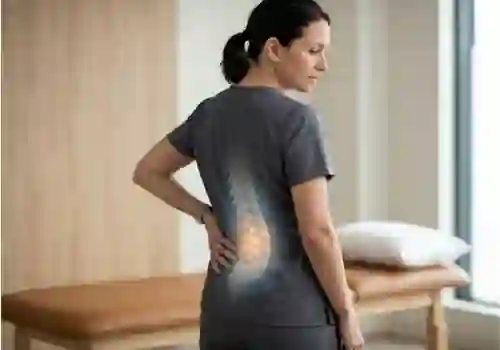
Lower back pain is one of the most common reasons people seek medical care. It can affect your ability to sit, stand, walk, work, exercise, sleep or perform everyday activities.
The good news is that lower back pain does not always mean you need surgery. In many people, symptoms improve with appropriate activity, exercise-based rehabilitation, lifestyle changes and medicines when appropriate. For persistent or more specific causes of pain, a specialist may consider targeted treatments such as nerve blocks, epidural injections or radiofrequency procedures.
According to the World Health Organization (WHO), low back pain affected an estimated 619 million people worldwide in 2020 and is the leading cause of disability globally. Around 90% of low back pain is considered non-specific, meaning that a single structural cause cannot always be identified.
The important point is that lower back pain is a symptom, not a single disease. Effective treatment begins by understanding what may be causing the pain and how it is affecting your movement and daily life.
At Healio RegenX Advanced Orthopaedics & Pain Management Centre, lower back pain is evaluated based on the individual’s symptoms, physical examination, functional limitations and, when clinically indicated, imaging or other investigations.
What Is the Best Treatment for Lower Back Pain?
There is no single treatment that works for every type of lower back pain.
For uncomplicated acute lower back pain, treatment may include:
- Staying reasonably active rather than prolonged bed rest
- A structured exercise or physiotherapy programme
- Temporary use of appropriate pain-relieving medication under medical guidance
- Improving posture, lifting technique and daily movement habits
- Addressing contributing factors such as physical inactivity, excess weight or smoking
When pain persists or is associated with nerve irritation, facet-joint pain, disc-related symptoms or another specific condition, treatment may be tailored further.
Depending on the diagnosis, non-surgical lower back pain treatment may include targeted physiotherapy, image-guided injections, nerve blocks, epidural injections or radiofrequency procedures.
Surgery is generally considered when there is a specific condition for which surgery is appropriate, particularly when significant neurological problems or persistent symptoms have not responded adequately to appropriate non-surgical care.
What Is Lower Back Pain?
Lower back pain refers to pain occurring in the lumbar region, between the lower ribs and the buttocks.It may begin suddenly after lifting, bending, twisting or an injury, or develop gradually over time.
The pain may feel:
- Dull or aching
- Sharp or stabbing
- Burning
- Tight or stiff
- Intermittent or constant
- Worse after sitting or standing for prolonged periods
- Worse with certain movements
- Associated with pain travelling into the buttock or leg
Some people experience only local back pain, while others develop symptoms extending into the buttock or leg because of irritation or involvement of a spinal nerve.
WHO classifies low back pain according to duration as:
- Acute: less than 6 weeks
- Subacute: 6–12 weeks
- Chronic: more than 12 weeks
The duration matters because the evaluation and treatment approach may change as pain persists.
What Causes Lower Back Pain?
Lower back pain can originate from muscles, ligaments, joints, intervertebral discs, nerves, bones or other structures. Sometimes, several factors contribute at the same time.
1. Muscle or Ligament Strain
A muscle or ligament strain is one of the common causes of acute lower back pain.
It may occur after:
- Lifting a heavy object
- Bending incorrectly
- Sudden twisting
- Repetitive physical activity
- Sports
- A sudden increase in exercise
- Poor lifting technique
Muscle spasm may occur along with the injury and can temporarily make standing, walking or changing position difficult.
2. Disc Bulge or Herniated Disc
Between the vertebrae are flexible structures called intervertebral discs.
A disc may bulge or develop a herniation that irritates or compresses a nearby nerve.
This may cause:
- Lower back pain
- Buttock pain
- Leg pain
- Tingling
- Numbness
- Weakness
When pain travels from the lower back through the buttock and leg because of nerve-root involvement, it is commonly described as sciatica or radicular pain.
3. Degenerative Disc Changes
As we age, spinal discs naturally undergo structural changes.
Some people have degenerative changes without significant symptoms, while others may develop pain, stiffness or reduced function.
Therefore, an abnormality on an MRI does not automatically mean that it is the cause of your pain. The scan needs to be interpreted alongside your symptoms and examination.
4. Facet Joint Pain
- Facet joints are small joints at the back of the spine that help control spinal movement.
- Degenerative changes or irritation in these joints may contribute to localized lower back pain.
- Pain may become more noticeable with certain movements, prolonged standing or extension of the spine.
- When facet-mediated pain is suspected and appropriate conservative treatment has not provided sufficient relief, a specialist may consider diagnostic medial branch blocks and, in selected patients, radiofrequency denervation.
5. Sacroiliac Joint Pain
The sacroiliac joints connect the lower spine to the pelvis.
Irritation of these joints may cause pain around:
- The lower back
- Buttock
- Upper thigh
Sacroiliac joint pain can sometimes resemble other causes of lower back pain, which is why clinical assessment is important.
6. Spinal Stenosis
Spinal stenosis occurs when there is narrowing around structures containing or surrounding the spinal nerves.
Symptoms can include:
- Lower back pain
- Leg pain
- Numbness or tingling
- Heaviness in the legs
- Difficulty walking or standing for long periods
Some people find that sitting or leaning forward reduces their symptoms.
7. Spondylolisthesis
Spondylolisthesis occurs when one vertebra shifts relative to another.
Depending on the severity and associated nerve involvement, it may cause lower back pain, stiffness or leg symptoms.
8. Osteoarthritis and Other Joint Conditions
Age-related joint changes and arthritis can contribute to lower back pain and stiffness.
Inflammatory conditions such as ankylosing spondylitis can also cause back pain and stiffness and may require assessment by an appropriate specialist.
9. Osteoporosis and Vertebral Fractures
People with weakened bones may be more vulnerable to spinal fractures, particularly after falls or relatively minor trauma.
Sudden severe back pain in someone with osteoporosis should be medically assessed.
10. Referred Pain From Other Conditions
Not every pain felt in the lower back originates from the spine.
Kidney stones, kidney infections, abdominal conditions and other medical problems can sometimes cause pain in or around the back.
This is one reason an accurate diagnosis is more important than simply treating “back pain” as a single condition.
Lower Back Pain Risk Factors
Certain factors can increase the likelihood of developing or repeatedly experiencing lower back pain.
These may include:
- Increasing age
- Low physical activity
- Weak core, hip or back muscles
- Excess body weight
- Smoking
- Physically demanding work
- Repetitive lifting or bending
- Prolonged sitting
- Previous episodes of back pain
- Poor sleep
- Certain sports or occupational activities
WHO identifies factors such as low physical activity, smoking, obesity and high physical stress at work among risk factors associated with non-specific low back pain.
Importantly, having a risk factor does not mean it is definitely the cause of an individual’s pain.
Symptoms of Lower Back Pain
Lower back pain symptoms can vary considerably from person to person.
Common symptoms include:
Localized back pain
Pain may remain primarily in the lower back and may feel dull, aching or sharp.
Stiffness
You may find it difficult to straighten your back or move after sitting or resting.
Muscle spasms
Sudden tightening or spasms in the back muscles can make movement uncomfortable.
Pain radiating into the buttock or leg
Pain extending down the leg may indicate irritation of a spinal nerve.
Tingling or numbness
Nerve-related symptoms may include pins and needles, altered sensation or numbness.
Weakness
Some nerve problems can cause weakness in a leg or foot.
Reduced mobility
Persistent pain can make walking, bending, lifting, exercising or working more difficult.
Lower Back Pain vs Sciatica: What Is the Difference?
Lower back pain and sciatica are not the same thing. Lower back pain may remain around the lumbar region and can arise from muscles, joints, discs, ligaments or other structures.
Sciatica generally refers to pain or other nerve-related symptoms travelling along the path of the sciatic nerve, often from the lower back or buttock into the leg.
Sciatica may be accompanied by:
- Leg pain
- Tingling
- Numbness
- Burning or electric-shock-like sensations
- Muscle weakness
If back pain is accompanied by neurological symptoms, a clinical evaluation can help determine whether a spinal nerve is involved.
How Is Lower Back Pain Diagnosed?
A good lower back pain treatment plan starts with the right diagnosis.
During an evaluation, a specialist may ask about:
- When the pain began
- Whether there was an injury
- Location and character of the pain
- Pain travelling into the leg
- Numbness or tingling
- Weakness
- Factors that worsen or relieve symptoms
- Sleep disturbance
- Work and activity limitations
- Previous treatments
- Relevant medical history
A physical examination may assess:
- Spine movement
- Muscle strength
- Reflexes
- Sensation
- Walking pattern
- Nerve function
- Hip and pelvic movement
Do You Always Need an MRI for Lower Back Pain?
No.
An MRI can provide valuable information about discs, nerves and other soft tissues, but it is not automatically necessary for every person with lower back pain.
Imaging is generally considered when the clinical situation suggests that it may change diagnosis or treatment, such as persistent symptoms, significant neurological findings, trauma, or suspicion of a specific underlying condition.
Possible investigations include:
- X-ray
- MRI
- CT scan
- Electromyography (EMG)
- Nerve conduction studies
- Blood tests
- Urine tests
Cleveland Clinic notes that the appropriate investigation depends on the suspected cause and may include imaging or nerve and laboratory testing.
A key principle is:
- An MRI should support a clinical diagnosis, not replace one.
- Many people have disc bulges or degenerative changes on imaging without experiencing significant pain.
Lower Back Pain Treatment: What Are Your Options?
The appropriate treatment depends on the cause, severity, duration and impact of your symptoms.
A treatment plan may involve one or several approaches.
1. Activity Modification
For many uncomplicated episodes, prolonged bed rest is not recommended.
As symptoms allow, maintaining normal daily movement and gradually returning to activity can support recovery.
This does not mean pushing through severe pain. Activity should be modified according to symptoms and clinical advice.
2. Physiotherapy and Exercise-Based Rehabilitation
Exercise-based rehabilitation is an important component of non-surgical lower back pain treatment.
A physiotherapist may develop a programme focused on:
- Core strengthening
- Hip and back strengthening
- Flexibility
- Mobility
- Postural control
- Movement retraining
- Balance
- Gradual return to activity
- Work-specific conditioning
The goal is not simply to reduce pain temporarily but to improve strength, movement and function.
WHO emphasizes rehabilitation, physical activity and exercise-based approaches in the management of low back pain.
3. Medicines for Lower Back Pain
Depending on your medical history and diagnosis, a doctor may recommend medication to control symptoms.
Possible options can include:
- Non-steroidal anti-inflammatory drugs (NSAIDs)
- Other appropriate pain-relieving medicines
- Short-term muscle relaxants in selected situations
Medication should be individualized because some medicines may not be appropriate for people with kidney disease, stomach ulcers, cardiovascular disease, pregnancy or other medical conditions.
Do not routinely self-medicate for persistent back pain without medical guidance.
4. Heat, Cold and Home Care
For an uncomplicated acute episode, some people find temporary relief from:
- Ice packs
- Heat
- Gentle movement
- Short periods of activity modification
- Appropriate home exercises
These approaches may help symptoms but do not replace assessment when pain is persistent, severe or associated with warning signs.
5. Manual Therapy as Part of a Rehabilitation Plan
Some patients may benefit from manual therapy, including mobilization or soft-tissue techniques.
However, guidelines such as NICE recommend that manual therapy for low back pain should be considered as part of a broader treatment package that includes exercise, rather than being used as a stand-alone solution.
6. Psychological and Behavioural Approaches
Persistent pain can affect sleep, stress, mood, work and physical activity.
This does not mean that the pain is “imaginary.”
Pain is influenced by biological, psychological and social factors, particularly when it becomes persistent.
Depending on the individual, a comprehensive rehabilitation programme may include education, behavioural strategies, relaxation techniques or psychological support alongside physical rehabilitation.
WHO recommends a person-centred and biopsychosocial approach for persistent low back pain.
Non-Surgical Lower Back Pain Treatment
When pain continues despite appropriate conservative treatment, a pain specialist may consider targeted minimally invasive procedures.
These treatments are not appropriate for every patient and should be selected according to the suspected pain generator.
7. Epidural Steroid Injection
A lumbar epidural steroid injection delivers medication into the epidural space around spinal nerve structures.
It may be considered in selected patients with nerve-related leg pain or inflammation associated with certain spinal conditions.
The goal is to reduce inflammation and pain sufficiently to help the patient participate in rehabilitation.
It is not a permanent cure for every structural cause of back pain.
8. Diagnostic and Therapeutic Nerve Blocks
A targeted nerve block can sometimes be used to determine whether a particular nerve or joint is contributing to pain.
Depending on the diagnosis, targeted injections may be considered around specific pain-generating structures.
Diagnostic blocks can provide useful information in selected patients before considering longer-lasting procedures.
9. Radiofrequency Ablation for Facet-Mediated Back Pain
When chronic lower back pain is believed to arise from facet joints, medial branch nerves may transmit pain signals from those joints.
After appropriate clinical assessment and diagnostic blocks, selected patients may be considered for radiofrequency denervation/ablation.
The procedure uses radiofrequency energy to disrupt pain transmission from targeted nerves.
Importantly, radiofrequency treatment is not appropriate for every type of back pain. NICE recommends considering referral for assessment in selected people with chronic localized back pain when non-surgical treatment has not worked and the pain is thought to arise from structures supplied by the medial branch nerves.
10. PRP for Selected Lower Back Pain Conditions
Platelet-rich plasma (PRP) is an autologous treatment prepared from a patient’s own blood.
It contains a concentrated amount of platelets and associated biological mediators.
PRP has been investigated for selected degenerative and disc-related low back pain conditions.
However, it is important to present PRP accurately: PRP is not a universal cure for lower back pain, and evidence varies according to the condition treated, injection technique and patient selection.
A 2023 systematic review reported generally favourable findings in several studies but also noted that larger, high-quality multicentre trials are still needed.
More recently, a 2026 systematic review and meta-analysis of 15 randomized controlled trials involving 740 patients reported improvements in pain and disability after PRP, while also noting substantial heterogeneity and the need for cautious interpretation.
Therefore, PRP should be considered selectively after diagnosis rather than marketed as a treatment suitable for every person with back pain.
11. Regenerative and Orthobiologic Treatments
Orthobiologic treatments are an evolving area of musculoskeletal medicine.
Depending on the specific condition, treatments may be discussed when conventional approaches have not provided adequate improvement.
The evidence for different regenerative therapies varies substantially.
A responsible treatment plan should explain:
- What condition is being treated
- What evidence supports the treatment
- Expected benefits
- Potential risks
- Alternatives
Whether the treatment is established or still evolving
This is particularly important when considering regenerative medicine for spinal conditions.
When Is Surgery Considered for Lower Back Pain?
Most people with lower back pain do not automatically require surgery.
Surgery may be considered when there is a specific structural problem that is suitable for surgical correction, particularly when symptoms are severe, persistent or associated with significant neurological problems.
Depending on the diagnosis, surgical procedures may include:
- Decompression
- Discectomy
- Spinal fusion
- Stabilization procedures
The decision should be based on the patient’s symptoms, examination, imaging findings, functional limitations and response to appropriate non-surgical treatment.
The presence of an abnormal MRI alone does not necessarily mean that surgery is required.
When Should You See a Lower Back Pain Specialist?
Consider medical evaluation if:
- Pain is persistent or recurrent
- Pain interferes with sleep or daily activities
- Pain keeps returning
- Pain travels into the leg
- You experience numbness or tingling
- You notice weakness
- Pain does not improve with appropriate self-care
- You have a history of significant trauma
- You have unexplained weight loss
- You have a history of cancer
- You have fever or signs of infection
- You have osteoporosis or a high risk of fracture
Lower Back Pain Red Flags: When Is It an Emergency?
Some symptoms require prompt medical assessment.
Seek urgent medical attention if lower back pain occurs with:
- New loss of bladder or bowel control
- Numbness around the groin, inner thighs or saddle region
- Significant or progressive weakness in the legs
- Severe back pain following major trauma
- Fever with severe back pain
- Severe abdominal pain or fainting
- New neurological symptoms that are rapidly worsening
These symptoms can sometimes indicate serious conditions requiring urgent assessment. Cleveland Clinic similarly identifies new neurological deficits, bladder or bowel problems, fever and severe abdominal symptoms among warning signs requiring prompt medical attention.
Can Lower Back Pain Be Prevented?
Not every episode of back pain can be prevented, but several habits may reduce the risk of injury and recurrent symptoms.
Stay physically active
Regular physical activity helps maintain muscle strength and mobility.
Strengthen your core, hips and back
A structured strengthening programme can improve the muscles that support movement and spinal function.
Learn safe lifting techniques
When lifting:
- Bend through your hips and knees
- Keep the load close to your body
- Avoid twisting while carrying heavy objects
- Ask for assistance with very heavy loads
- Avoid prolonged sitting
If your work involves sitting for long periods, take regular movement breaks.
Maintain a healthy weight
Excess body weight can increase mechanical stress on the spine and surrounding structures.
Stop smoking
Smoking is associated with poorer musculoskeletal health and is a modifiable risk factor for low back pain.
Prioritize sleep
Poor sleep can worsen pain sensitivity and make recovery more difficult.
WHO includes physical activity, healthy weight, avoiding tobacco, good sleep and ergonomic adjustments among measures that can help reduce the impact and recurrence of non-specific low back pain.
Why Does My Lower Back Hurt After Sitting for a Long Time?
Prolonged sitting may aggravate lower back symptoms in some people because it keeps the spine and surrounding muscles in one position for an extended period.
However, sitting itself is not necessarily the sole cause of the pain.
Pain after sitting can occur with different conditions, including muscular problems, disc-related pain or other mechanical causes.
Instead of focusing only on posture, it is often more useful to look at your overall movement pattern, physical conditioning, work environment and underlying diagnosis.
Is Lower Back Pain a Sign of a Slipped Disc?
Not always.
A “slipped disc” is a common term used to describe a disc bulge or herniation.
Disc problems can cause lower back pain and nerve-related leg symptoms, but many episodes of lower back pain are not caused by a disc herniation.
An MRI can identify disc abnormalities, but the findings need to match the symptoms and clinical examination.
How Long Does Lower Back Pain Take to Improve?
Recovery varies according to the cause.
Many episodes of acute, non-specific low back pain improve over time, while some people experience recurrent or persistent symptoms.
WHO reports that most people with acute low back pain recover well, although some develop persistent symptoms that become chronic.
If your pain continues, repeatedly returns or progressively interferes with your activities, an evaluation can help identify whether there is a treatable underlying cause.
Why Does Lower Back Pain Keep Coming Back?
Recurrent lower back pain can have several contributors, including:
- Inadequate recovery after the original episode
- Weakness or reduced conditioning
- Repetitive physical stress
- Poor lifting mechanics
- Prolonged inactivity
- Excess body weight
- Smoking
- Disc or joint degeneration
- Untreated nerve-related pain
- Returning to high-intensity activity too quickly
A long-term treatment plan should focus not only on reducing pain but also on restoring strength, mobility, confidence and function.
Why Choosing the Right Lower Back Pain Treatment Matters
Treating the symptom without identifying the likely source of pain may provide only temporary relief.
A more comprehensive approach considers:
1. Where is the pain?
Lower back, buttock, hip or leg?
2. How long has it been present?
Acute, subacute or chronic?
3. Is there nerve involvement?
Numbness, tingling, radiating pain or weakness?
4. What triggers the pain?
Sitting, walking, lifting, bending or extension?
5. Is there a specific structural cause?
Disc, facet joint, stenosis, fracture or another condition?
6. How is the pain affecting function?
Work, sleep, walking, exercise and daily activities?
This approach helps determine whether you need rehabilitation alone or whether additional diagnostic or minimally invasive treatment should be considered.
Frequently Asked Questions About Lower Back Pain Treatment
Q : What is the best treatment for lower back pain?
Ans : There is no single best treatment for everyone. Treatment depends on the underlying cause, duration, severity and associated symptoms. Exercise-based rehabilitation, appropriate activity, lifestyle measures and medication may be sufficient for many people. Persistent or specific conditions may require targeted interventions.
Q : Can lower back pain be treated without surgery?
Ans : Yes. Many patients can be managed without surgery. Non-surgical lower back pain treatment may include physiotherapy, exercise, medications when appropriate, lifestyle modification and, in selected cases, targeted injections, nerve blocks or radiofrequency procedures.
Q : Is walking good for lower back pain?
Ans : For many people with uncomplicated low back pain, gentle movement and walking can be helpful. Prolonged bed rest is generally not recommended. However, severe or worsening symptoms should be evaluated rather than managed solely through exercise.
Q : Do I need an MRI for lower back pain?
Ans : Not necessarily. MRI is usually considered when the result is likely to influence diagnosis or treatment, particularly when symptoms persist, neurological findings are present or a specific condition is suspected.
Q : Can a slipped disc heal without surgery?
Ans : Many disc-related symptoms can improve with non-surgical treatment. The appropriate approach depends on the severity of symptoms, neurological findings and the underlying disc condition.
Q : When is an epidural injection considered?
Ans : A lumbar epidural injection may be considered in selected patients with nerve-related pain or inflammation associated with certain spinal conditions. It should be recommended after clinical assessment rather than used routinely for every type of lower back pain.
Q : Is PRP effective for lower back pain?
Ans : Research suggests PRP may help selected patients with certain types of chronic or degenerative low back pain, but evidence is still evolving and outcomes vary. Recent systematic reviews have reported potential improvements while also highlighting differences between studies and the need for further high-quality research.
Q : Can lower back pain be caused by something other than the spine?
Ans : Yes. Kidney problems, abdominal conditions, vascular problems and certain pelvic conditions can cause pain that is felt in or around the lower back. This is why persistent or unusual symptoms should be medically evaluated.
Q : When should I worry about lower back pain?
Ans : Seek urgent medical attention if back pain is accompanied by new bladder or bowel problems, saddle-area numbness, significant leg weakness, fever with severe pain, major trauma or rapidly worsening neurological symptoms.
Persistent lower back pain should not be treated as a single condition.
The right lower back pain treatment depends on identifying the likely pain source, understanding your symptoms and choosing an approach that matches your individual needs.
At Healio RegenX Advanced Orthopaedics & Pain Management Centre, patients can be evaluated for back pain, sciatica, disc-related symptoms, facet joint pain and other musculoskeletal or spine-related conditions.
Where appropriate, treatment may focus on non-surgical lower back pain treatment, rehabilitation, targeted pain procedures and other evidence-informed options before surgery is considered.
If your lower back pain is affecting your work, sleep, mobility or quality of life, a specialist assessment can help you understand the next step.
Book a consultation with the Healio RegenX team to discuss your lower back pain and available treatment options.
Medical Disclaimer
This article is intended for general educational purposes and should not replace an individual medical consultation, diagnosis or treatment plan. Lower back pain can have many causes, and treatment should be selected after appropriate clinical evaluation. Seek urgent medical care for severe or rapidly worsening symptoms, significant weakness, new bladder or bowel dysfunction, saddle-area numbness, major trauma or other concerning symptoms.
