
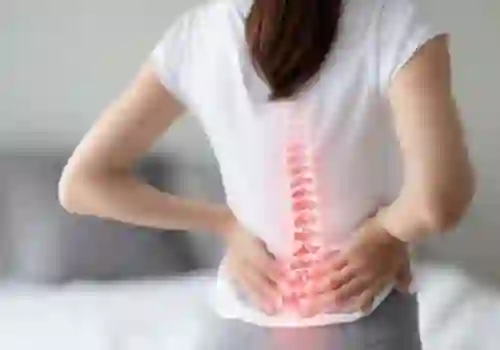
Back pain is a common problem that can affect women of different ages and lifestyles. While many causes of back pain are similar in men and women, females can also experience back discomfort related to menstruation, pregnancy, hormonal changes, pelvic conditions, osteoporosis and menopause.
So, what causes back pain in females? The answer depends on factors such as the location of pain, its duration, associated symptoms, age, activity level and underlying health conditions. Sometimes back pain is related to muscles, posture or everyday activities. In other cases, it may be associated with conditions affecting the spine, nerves, joints or pelvic organs.
Understanding the back pain reason can help determine whether simple lifestyle changes may be enough or whether a medical evaluation is appropriate. At Healio RegenX, Orthopaedic and Pain Management care is available in one place, helping patients understand the possible cause of back pain and explore appropriate treatment options.
What Causes Back Pain in Females?
The most common causes of back pain in females include:
- Muscle or ligament strain
- Poor posture and prolonged sitting
- Disc problems, including slipped or herniated discs
- Sciatica and nerve irritation
- Arthritis and age-related spinal changes
- Menstrual-related lower back pain
- Pregnancy-related changes
- Endometriosis
- Ovarian cysts or other pelvic conditions
- Osteoporosis and vertebral compression fractures
- Weak core muscles and reduced physical activity
- Previous injuries
- Stress and muscle tension
The lower back pain reason can therefore vary considerably from one woman to another. Persistent, severe or unexplained pain should be evaluated by a qualified healthcare professional.
What Causes Back Pain in Females?
Back pain can originate from the muscles, ligaments, joints, discs, nerves or bones of the spine. In women, certain hormonal and reproductive factors can also contribute to pain.
Here are some important causes to consider.
1. Muscle or Ligament Strain
One of the most common reasons for back pain is strain involving the muscles and supporting ligaments.
It can occur after:
- Lifting something heavy
- Sudden twisting movements
- Repetitive physical activity
- Exercise without adequate preparation
- Standing for long periods
- Sudden increases in activity
Muscle strain may cause localized pain, stiffness or discomfort that becomes more noticeable with certain movements.
2. Poor Posture and Prolonged Sitting
Poor posture is another common back pain reason, particularly for women who spend long hours working at a desk or using computers and mobile devices.
Slouching, leaning forward or sitting without adequate back support can place additional stress on the muscles and spinal structures.
Over time, this may contribute to:
- Lower back discomfort
- Upper back pain
- Muscle tightness
- Neck and shoulder tension
- Reduced mobility
Improving workstation ergonomics and taking regular movement breaks may help reduce mechanical stress on the back.
3. Slipped or Herniated Disc
Between the bones of the spine are flexible discs that help absorb shock. If part of a disc bulges or moves beyond its normal position, it can irritate nearby nerves.
A disc problem may cause:
- Lower back pain
- Buttock pain
- Leg pain
- Numbness or tingling
- Weakness in the leg or foot
When nerve irritation extends from the lower back into the leg, it may be associated with sciatica.
4. Sciatica and Nerve Irritation
Sciatica refers to pain associated with irritation or compression of the sciatic nerve or its nerve roots. The pain may begin in the lower back and travel through the buttock and down the leg.
Some women describe the sensation as:
- Burning
- Electric or shooting pain
- Tingling
- Numbness
- Leg weakness
Sciatica is not a disease by itself. It is generally a symptom resulting from an underlying problem affecting the lower back or nerves.
5. Arthritis and Age-Related Changes
As people age, the structures of the spine can undergo gradual changes. Arthritis affecting the spinal joints may contribute to stiffness and back pain. Degenerative changes can also affect discs and other spinal structures.
Symptoms may include:
- Morning stiffness
- Lower back pain
- Reduced flexibility
- Pain after prolonged activity
- Difficulty standing or walking for long periods
The exact significance of age-related findings depends on symptoms and clinical examination.
What Causes Lower Back Pain in Females Specifically?
Women can experience many of the same lower back problems as men. However, certain female-specific conditions may also cause or contribute to lower back discomfort.
6. Menstrual-Related Lower Back Pain
Some women experience lower back pain before or during menstruation.
During menstruation, uterine contractions and changes in inflammatory mediators can contribute to pelvic cramping and referred discomfort in the lower back.
Menstrual-related back pain may occur along with:
- Lower abdominal cramps
- Pelvic discomfort
- Bloating
- Fatigue
- Headache
If menstrual pain is unusually severe, worsening over time or interfering with everyday activities, it should not simply be assumed to be normal period pain.
7. Endometriosis
Endometriosis is a condition in which tissue similar to the lining of the uterus grows outside the uterus.
Depending on its location, it can cause pelvic pain that may extend to the lower back.
Possible symptoms include:
- Painful periods
- Pelvic pain
- Lower back pain
- Pain during intercourse
- Pain during bowel movements or urination during menstruation
- Difficulty becoming pregnant in some women
Women with persistent or severe cycle-related pain should discuss their symptoms with an appropriate healthcare professional.
8. Pregnancy-Related Back Pain
Pregnancy is another important answer to what causes lower back pain in females.
As pregnancy progresses, changes in body weight, posture, balance and the supporting structures around the pelvis can place additional stress on the lower back.
Hormonal changes can also affect ligaments and joints.
Pregnancy-related back discomfort may become more noticeable when:
- Standing for long periods
- Walking
- Changing position
- Getting out of bed
- Sitting for extended periods
Back pain during pregnancy should be discussed with the treating obstetric professional, particularly when it is severe, sudden or associated with other concerning symptoms.
9. Ovarian Cysts and Other Pelvic Conditions
- Some pelvic conditions can cause pain that is felt in the lower abdomen, pelvis or lower back.
- For example, larger ovarian cysts may sometimes cause pressure or discomfort. Other gynaecological conditions can also produce pain that may be perceived in the back.
- Because pelvic and spinal conditions can sometimes produce overlapping symptoms, persistent unexplained lower back pain may require appropriate clinical evaluation.
10. Menopause and Bone Health
- Hormonal changes during and after menopause can affect bone health.
- Reduced estrogen levels are associated with an increased risk of bone loss and osteoporosis.
- Osteoporosis itself may not cause obvious symptoms until a fracture occurs. A vertebral compression fracture, for example, can result in sudden or persistent back pain.
- Women with risk factors for osteoporosis should discuss bone health and appropriate screening with their healthcare provider.
Other Common Reasons for Back Pain in Women
Female-specific conditions are only part of the picture. Several everyday and medical factors can contribute to back pain.
11. Weak Core and Back Muscles
The muscles around the abdomen, pelvis and back help support the spine.
Reduced physical activity or muscle weakness may affect spinal support and movement patterns. Gradual strengthening under appropriate guidance can help improve physical function.
12. Lack of Physical Activity
A sedentary lifestyle can contribute to muscle weakness, reduced flexibility and poorer physical conditioning.
Long periods of inactivity may make the back less tolerant of sudden physical demands.
13. Previous Injury
A previous accident, sports injury, fall or lifting injury can sometimes contribute to recurrent back problems.
Some injuries resolve completely, while others may result in ongoing symptoms requiring further evaluation.
14. Stress and Muscle Tension
Stress does not mean that back pain is imaginary or “just psychological.”
Stress can contribute to increased muscle tension, altered sleep and changes in physical activity, which may influence how pain is experienced.
Persistent pain should still be evaluated for possible physical causes.
What Does Back Pain Feel Like?
Back pain can feel different depending on its cause.
You may experience:
- Dull or aching pain
- Sharp pain
- Burning discomfort
- Muscle tightness
- Stiffness
- Pain with movement
- Pain after prolonged sitting
- Pain radiating into the buttocks or legs
- Tingling or numbness
- Difficulty bending or straightening the back
The location of pain can also provide useful clues.
Upper Back Pain
Upper back pain may be associated with posture, muscle strain, prolonged computer use, repetitive activity or problems involving the neck and upper spine.
Middle Back Pain
Pain in the middle back can have several causes, including muscle strain, posture-related problems and spinal conditions.
Lower Back Pain
Lower back pain is particularly common and may be related to muscles, discs, joints, nerves, posture, pregnancy or pelvic conditions.
When Is Back Pain a Warning Sign?
Most back pain does not indicate a serious condition. However, certain symptoms require prompt medical attention.
Seek medical evaluation if back pain is:
- Severe or rapidly worsening
- Following a significant injury or fall
- Associated with unexplained weight loss
- Accompanied by fever or feeling significantly unwell
- Associated with progressive leg weakness
- Associated with significant numbness
- Accompanied by loss of bladder or bowel control
- Associated with numbness around the inner thighs, buttocks or genital region
- Persistent despite appropriate self-care
These symptoms do not automatically indicate a serious condition, but they warrant timely assessment.
How Is the Cause of Back Pain Diagnosed?
There is no single test that identifies every back pain reason.
A healthcare professional may consider:
Medical History
- The clinician may ask:
- When did the pain begin?
- Where exactly is the pain?
- Is it constant or intermittent?
- Does it travel into the leg?
- Is it related to menstruation?
- Are you pregnant or recently postpartum?
- Was there an injury?
- What activities make the pain worse or better?
- Are there associated symptoms?
Physical Examination
Depending on the symptoms, the examination may assess:
- Spinal movement
- Muscle strength
- Reflexes
- Sensation
- Walking pattern
- Nerve function
- Hip and pelvic movement
Imaging and Other Tests
Imaging is not required for every episode of back pain.
When clinically appropriate, a doctor may recommend investigations such as X-rays, MRI or other tests to evaluate suspected structural, nerve or bone-related problems. The appropriate investigation depends on the individual’s symptoms and examination.
How Can Women Prevent Back Pain?
Not every episode of back pain can be prevented, but several habits can support spinal health.
Stay Physically Active
Regular movement can help maintain strength, flexibility and general physical function.
Suitable activities may include:
- Walking
- Swimming
- Strength exercises
- Mobility exercises
- Yoga or other appropriate forms of exercise
If you already have significant pain, choose exercises appropriate for your condition and seek professional guidance when necessary.
Improve Sitting Posture
When working at a desk:
- Keep your back supported.
- Position the screen at a comfortable height.
- Keep your feet supported.
- Avoid sitting continuously for several hours.
- Take regular movement breaks.
Use Safe Lifting Techniques
When lifting objects, avoid sudden twisting and use controlled movements. For heavier objects, ask for assistance rather than attempting to lift them alone.
Maintain a Healthy Level of Physical Activity
Regular physical activity can support muscle strength and overall mobility.
Pay Attention to Bone Health
Women, particularly around and after menopause, may benefit from discussing osteoporosis risk factors and bone health with their healthcare provider.
Treatment for Back Pain in Women
Treatment depends on the underlying cause, severity and duration of symptoms. There is no single back pain treatment that is appropriate for everyone.
Conservative Treatment
Depending on the condition, treatment may include:
- Activity modification
- Physical therapy
- Exercise-based rehabilitation
- Posture and ergonomic correction
- Heat or cold therapy
- Appropriate pain-relieving medication when recommended by a healthcare professional
Physiotherapy and Rehabilitation
A structured rehabilitation program may focus on improving:
- Strength
- Flexibility
- Mobility
- Core function
- Movement patterns
The program should be tailored to the individual’s condition rather than relying on a one-size-fits-all exercise routine.
Pain Management
For persistent or difficult-to-manage pain, an interventional pain specialist may evaluate whether targeted pain management approaches are appropriate.
Depending on the diagnosis, treatment may involve a combination of rehabilitation, medication management and selected minimally invasive procedures.
Orthopaedic Evaluation
If the pain appears related to the spine, discs, joints, bones or a musculoskeletal condition, an orthopaedic evaluation may be appropriate.
The goal is to understand the underlying problem and determine whether conservative, interventional or surgical treatment should be considered.
Why You Should Not Ignore Persistent Lower Back Pain
Occasional back pain after physical activity may improve with appropriate self-care.
However, persistent or recurrent pain deserves attention, particularly when it:
- Keeps returning
- Interferes with sleep
- Limits walking or daily activities
- Travels into the legs
- Causes numbness or weakness
- Is associated with menstrual or pelvic symptoms
- Appears during pregnancy
- Becomes progressively worse
Finding the underlying cause is often more useful than repeatedly treating the pain without understanding why it is occurring.
Frequently Asked Questions About Back Pain in Females
Q : What causes back pain in females?
Ans : Common causes include muscle strain, poor posture, prolonged sitting, disc problems, sciatica, arthritis and previous injuries. Women may also experience back pain associated with menstruation, pregnancy, endometriosis, pelvic conditions, menopause and osteoporosis.
Q : What causes lower back pain in females?
Ans : Lower back pain in females may result from muscle or ligament strain, poor posture, disc problems, sciatica and arthritis. Female-specific contributors can include menstrual pain, pregnancy, endometriosis and certain pelvic conditions.
Q : Can periods cause lower back pain?
Ans : Yes. Some women experience lower back pain before or during menstruation. Uterine contractions and inflammatory changes associated with menstruation can contribute to pelvic and referred lower back discomfort.
Q : Can pregnancy cause lower back pain?
Ans : Yes. Changes in body weight, posture, balance, ligaments and pelvic structures during pregnancy can contribute to lower back pain.
Q : Why does my lower back hurt during my period?
Ans : Menstrual-related lower back pain can occur because uterine contractions and inflammatory changes may produce pelvic pain that is also felt in the lower back.
If the pain is severe, worsening or interfering significantly with daily life, medical evaluation is appropriate.
Q : Can endometriosis cause back pain?
Ans : Endometriosis can cause pelvic pain that may extend to the lower back. Pain may be particularly noticeable around menstruation and can occur with other symptoms such as painful periods or pain during bowel movements.
Q : Can poor posture cause back pain?
Ans : Yes. Prolonged poor posture can increase mechanical stress on the muscles and structures supporting the spine and may contribute to back discomfort.
Q : When should a woman see a doctor for back pain?
Ans : Consider medical evaluation when back pain is persistent, recurrent, severe, progressively worsening or associated with leg weakness, numbness, bladder or bowel changes, fever, significant trauma or other concerning symptoms.
Q : Can back pain be treated without surgery?
Ans : Many causes of back pain can initially be managed with non-surgical approaches such as exercise-based rehabilitation, physical therapy, lifestyle changes and appropriate pain management. The right treatment depends on the underlying diagnosis.
Expert Perspective: Finding the Reason Behind the Pain Matters. Back pain should not automatically be attributed to age, posture, periods or pregnancy. The same symptom can have different causes in different people.
For example, lower back pain in one woman may be related to muscular strain, while another woman may have disc-related nerve irritation. In someone else, the pain may be associated with menstruation, endometriosis, pregnancy or another pelvic condition.
That is why an individualized evaluation is important when pain persists or repeatedly returns.
At Healio RegenX, orthopaedic and pain management services are available together, allowing patients to explore both musculoskeletal and pain-related aspects of their condition.
Conclusion
So, what causes back pain in females?
There is no single answer. Back pain can result from common musculoskeletal problems such as muscle strain, poor posture, disc conditions and arthritis, while female-specific factors such as menstruation, pregnancy, endometriosis, menopause and osteoporosis can also contribute.
Understanding the back pain reason is the first step toward choosing appropriate care.
Regular physical activity, good posture, appropriate ergonomics, healthy lifestyle habits and attention to bone health can support back health. However, persistent, severe or unexplained pain should be evaluated rather than repeatedly self-treated.
If you are experiencing ongoing back pain or lower back pain, a professional evaluation can help identify possible causes and determine whether conservative, rehabilitation, pain management or orthopaedic treatment may be appropriate.
Healio RegenX brings Advanced Orthopaedics & Pain Management together in one place, with individualized care based on the patient’s condition and clinical needs.
Free Tele Consultation +918181945945 to understand the possible cause of your back pain and discuss appropriate treatment options.
